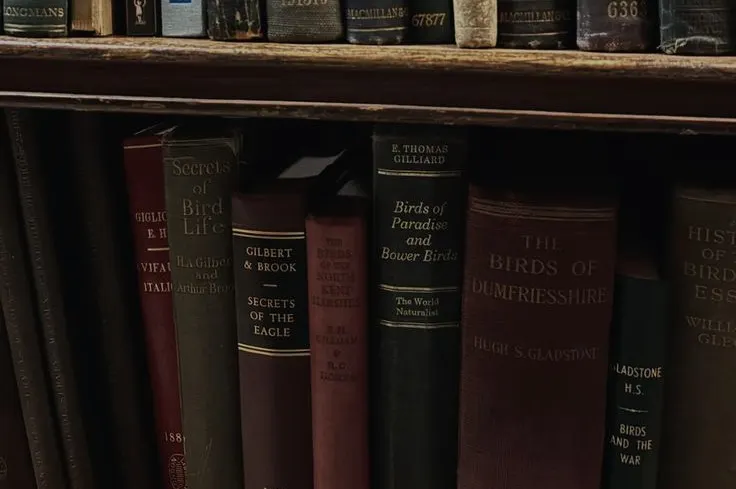
Classic literature is more popular now than it has been in past generations. I’d like to think it’s genuine and separate from the performative allegations that struck Instagram like a semi-truck in the summer of 2025. Is this new passion (seen primarily on social media) founded in the desire for being perceived as superior by others; or is it a generation raised on technology looking to the past in desperate need for escape?
I can’t help but assume the pessimistic approach towards the girl in my seminar with Tolstoy’s Anna Karenina conveniently placed facing outward in her backpack; maybe I wouldn’t feel that way if I’d seen her reading it in any of our other classes together.
Empathetic Impact
A study published in 2011 showed that during the years 1979-2009, undergrads had strikingly lower rates of Empathic Concern, Perspective Taking, Fantasy, and Personal Distress. In contrast to these results, multiple studies after 2008 in Europe, the USA, and China are showing decrease in narcissistic values, integrated with increase in prosocial and benevolent values within the same age group years 2017-2021. (Konrath et al.) (Published through NIH) The main reason for this incline is the amount of communication widely available. Social media has made it extremely easy to learn about other people’s lived experiences. Could this ability to take on others perspectives increase the interest in literature? Avid reading of novels has been shown to increase empathy and thoughtfulness during everyday situations so the two share some common ground. Of course, classics aren’t the only texts available to young people; manga, romance, fanfics, and many more YA options are available and being digested. All of this media holds value in studies on the correlation between reading habits and empathic capability. NIH (National Institute of Health) published a study (Bal, P Matthijs, and Martijn Veltkamp.) supporting claims that empathetic people enjoy reading more than those who didn’t have such a relationship with others’ perspectives. Gen Z could be following the claim of this study by having higher empathy rates, and showing increased interest in texts, though there aren’t any studies to support this claim
Pop Culture
Social media is obsessed with romanticizing reading, dark and gloomy cities, trench coats, etc. A source for many of these aesthetics is a New York Times bestseller, The Secret History by author Donna Tartt. I myself read the book in seventh grade and was enthralled by the suspense and pretty scenes of New England in the book. Tartt was inspired by Plato’s The Apology and The Bacchae, written by Euripides; also noted in the Lit Hub interview where these sources came from is The Great Gatsby (F. Scott Fitzgerald). Donna Tartt’s novel piqued interest in many classics that evoke similar feelings. Therefore; popularity for classics from English to Russian to Japanese has erupted on social media. There is a close association between the desire for money and success in this generation and being educated. The amount of students in the US enrolled in a college for further education hit its record in 2010 with 21 million students that fall. I believe that the image created by engaging in hobbies like avid reading can be a means to an end for young people that plan to use what they have gained from classic texts in their professional life, or on the way to getting there. Reading classics is portrayed on social media along images of Cambridge, Oxford, and other distinguished campuses, teens dreaming of places like that will do what they see fit to get them there. For many that’s studying or enjoying classical literature.

Photo by @nellialun on Pinterest
Synopsis
I am a true optimist at my core- and I like hearing TikTok’s opinions on Osamu Dazai! (I have read No Longer Human and it is worth the hype.) Let the people experiment and do what they like. Young people are seeing books as more than entertainment, and all of these reasons are positive. Sure, there’s people that may go through a phase of obsession with classics and The Secret History, teens have been exploring phases and interests for forever, and they aren’t hurting anyone by being “performative.” The youth population of the Western world (and at Herron) could be doing many worse things than attempting to translate the five names for the same Dostoevsky character.