With the ushering in of what many believe to be the fifth wave of feminism, defined by a post-#MeToo, radically inclusive, and anti-capitalist era, during a more and more governmentally conservative time, most people would not turn to a pop star as a figurehead for the movement. However, Sabrina’s Carpenter relatable heterofatalism–the idea that heterosexual relationships are doomed, painful, and not worth the effort–has made millions of women flock to her confessional and often satirical lyrics in recent hits such as “Manchild,” “Nobody’s Son,” and “Tears.”

Photo: Kevin Winter/Getty Images for The Recording Academy
In general, pop stars are not reliable activists. Taylor Swift, for example, has made a few Instagram posts here and there supporting the Democratic candidate for a presidential election. She has even written songs about the power of voting (“Only the Young”) and the struggle for equal treatment of both sexes (“The Man”). Yet, she is much more comfortable fading into the curtain of impartiality on subjects like abortion rights during the overturning of Roe v. Wade and the genocide of Palestinians in the Gaza War.
Swift prefers to remain beloved by all (it is, of course, essential to her friendly and admittedly perfect “girl-next-door” persona), and fears polarising any groups of her multi-million audience. Her 2024 endorsement of Kamala Harris included a short reasoning related to Swift’s alignment with Harris’ “rights and causes [that Swift] believe[s] need a warrior to champion them,” and her steady-handed gift for leadership. While this endorsement may have led to a couple thousand votes, its lack of urgency or transparency on what Swift thinks are prevalent issues likely did not do much to support Harris’ campaign, which she fatefully lost in 2024. This message and other similar ones only came after years of silence on political issues, which Swift claims was due to fear and external pressure, though it nevertheless had the benefit of a more ideologically diverse (and therefore larger) fanbase. Taylor Swift finally broke this career-long silence in the 2019 album Lover, the creation of which is detailed in the political and coming-of-age documentary Miss Americana and the Heartbreak Prince.

Photo: Big Machine/Universal Republic
Yet, Instagram endorsements and a music video with rich gay people (see Lover’s “You Need To Calm Down”) are not enough when it comes to actually using a platform for progress. Sabrina Carpenter, born in 1999, has been sucking up fame and fans for the last four years–all while promoting a pro-sex, pro-queer agenda. Her disco-influenced pop songs blend tongue-in-cheek sexual jokes with heterofatalist statements like: “I get wet at the thought of you / being a responsible guy,” laughing bittersweetly about the state of her relationships with the opposite sex.
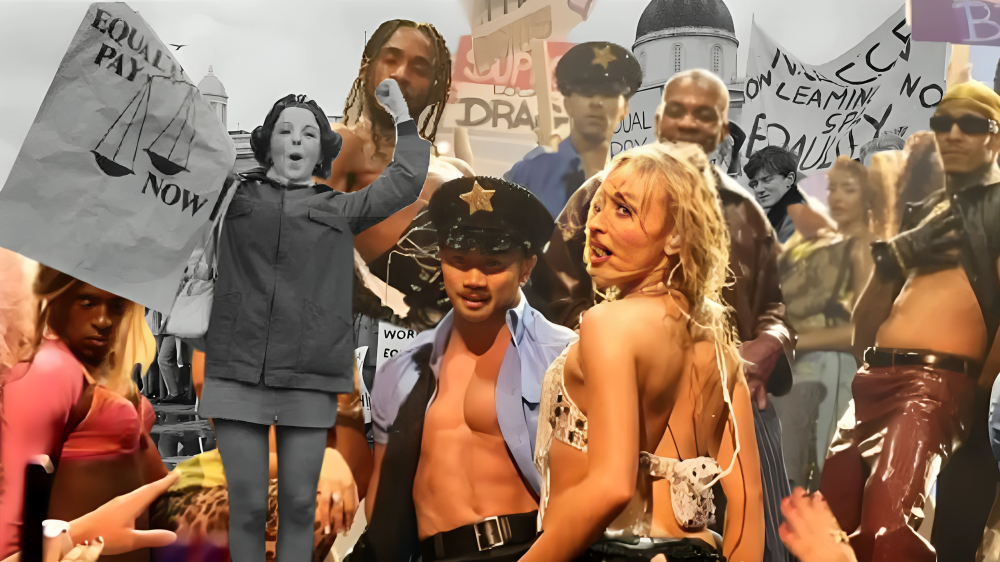
When performing Tears (the song previously quoted) at the 2025 Video Music Awards, Carpenter overtly nodded to Y2K icon Britney Spears’ Dream Within a Dream Tour act (dancing in the rain with a bedazzled bra) and invited drag queens from RuPaul’s Drag Race onstage with her, hosting a sort of makeshift protest. Signs supporting Dolls (transfems), drag, and interracial love were held up by background dancers and dressed-up queens. The radically inclusive performance was watched by at least 9 million people, including 4.1 million views on YouTube and viral clips posted on other social media platforms. Along with the live performance of “Tears,” Sabrina Carpenter also included performers from RuPaul’s Drag Race as well as openly gay actor Colman Domingo in the song’s campy, Rocky Horror Picture Show-inspired music video.


Yet, just because she makes some points to be an activist, it doesn’t mean she is always perfect: the album cover of her 2025 release, Man’s Best Friend, sparked controversy among many people on the internet. The photo features Sabrina Carpenter on all fours in a black minidress, having her hair pulled by an out-of-frame figure in a suit. After its release and simultaneous album announcement, Carpenter faced severe backlash. Many groups, particularly those who had faced domestic violence, felt not only triggered but also shocked by the obscenity of the cover. And I agree, it is absolutely valid for people who have faced degrading and violent attacks from men to feel upset or frightened by seeing this photo. However, the main issue lies in the lack of media literacy many people revealed they have: the album name, Man’s Best Friend, and pre-released lead single, “Manchild,” should have made it clear that the cover was satirizing the way men view women: as dogs.
Lyrics in “Manchild” like, “why so sexy if so dumb”, and “I like my men all incompetent” both obviously joke about what Carpenter does (on some level) find to be troubling issues in her heterosexual relationships. She is sick of being treated like she is on a leash and therefore will follow the every whim of a male partner; however, society pressures her to date men frequently and passionately. The Man’s Best Friend cover was never meant to put anyone down, besides men themselves. If anything, the album is tinged with playful misandry, but it mostly plays on the painful effects of the patriarchy for both women and men.


According to a 2020 Pew Research Center survey, 61% of American women consider themselves to be feminists. Yet, the gap between the label and the actual activism is increasingly divided, especially in a time when social media allows for little research but a louder voice. Women (and self-labeled feminists in general) who haughtily look down on Sabrina Carpenter’s loud sexuality are likely ignoring the context of the sexual revolution in the 1960s. This social movement challenged women’s access to birth control, abortions, premarital sex, and many different patriarchal impositions on women’s sexuality.
So, when Carpenter asks Dior to make her skirts shorter and sings about “really good bed chem,” she is actively fighting for women’s sexual liberation. Not only can she feel more free in her own body, she also draws attention to the growing movements of equality in the bedroom; by doing this, Carpenter creates viral trends that many female audience members support and resonate with, such as the infamous Short n’ Sweet Tour “Juno” joke of “have you ever tried this one?” Decades of feminists have tried to establish this more complex anti-purity culture idea, along with quintessential voting rights and equal pay, that many people are less aware of and also less inclined to fix. So, maybe Carpenter is exactly the feminist saviour we need. Or, maybe it’s just pop music, and we shouldn’t take it that seriously anyway.